
The Widow’s Mite
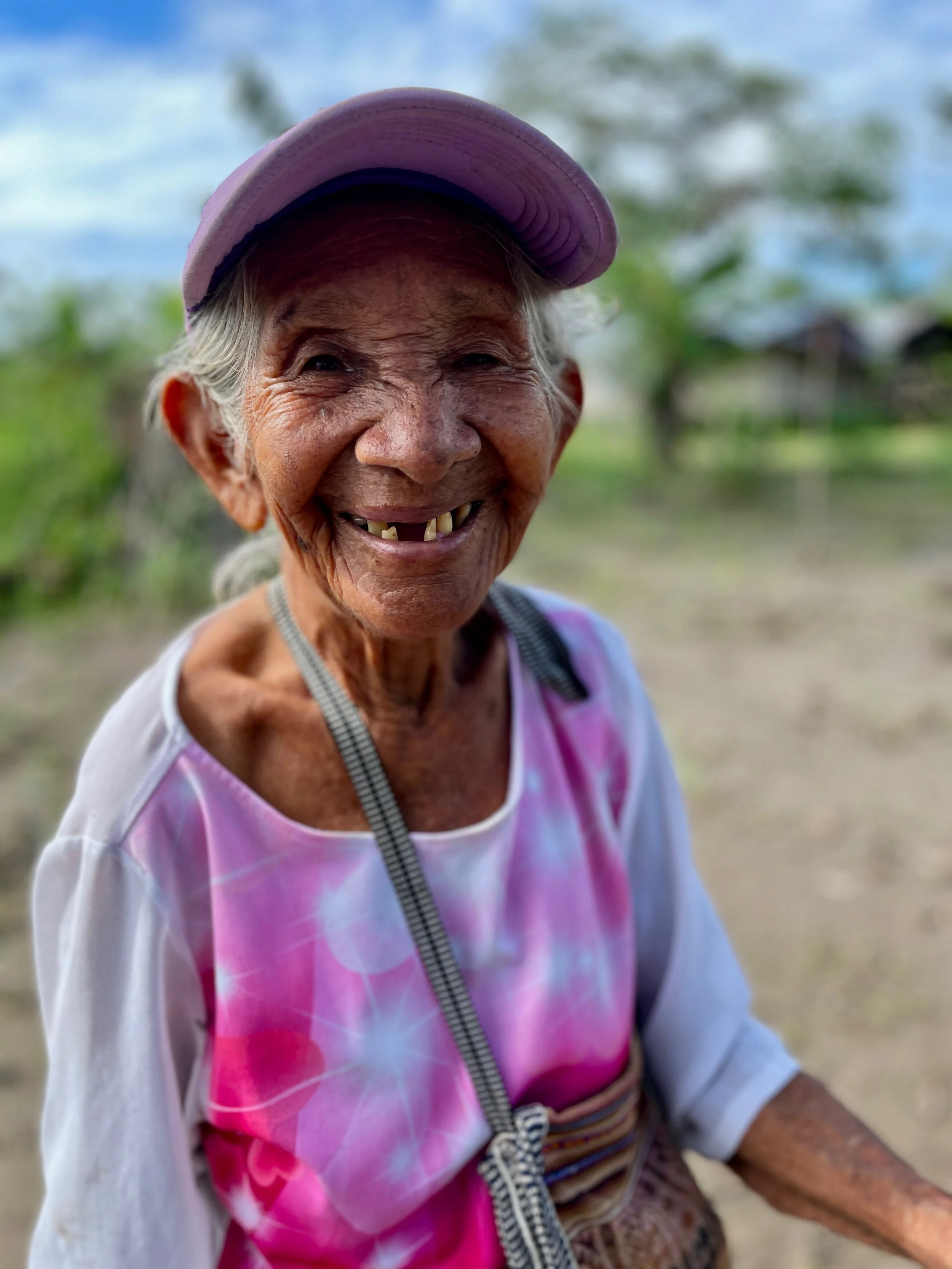
On a recent trip to the Amazon, Russ and I spent the night in Macedonia, a Tikuna/Cocama village about four hours upriver by boat from Leticia, Colombia. In the early hours before daylight, torrential rain pounding on the roof woke us from an already fitful night. It had been hot and muggy, with no electricity to power a fan. The bed sagged in the middle like a canoe and felt as though it were made of pressed-down cornhusks—hard and uncomfortable!
My first thought as I lay there listening to the rain was, how rough will our boat ride across the Amazon River be in this downpour? The people of San Antonio, Peru, were expecting us for the Sunday morning church service, and I was thankful I had brought my rubber boots and rain gear.
By daylight, the torrential rain had subsided to a light drizzle, and my concerns began to ease. We loaded our gear into a small boat powered by a 15-horsepower motor. After carefully walking across boards laid over a swampy area that served as our “boat ramp,” we set off for the hour-long journey upriver and across the Amazon to San Antonio, on the Peruvian side of the river.
A few months earlier, Russ had visited this village, and the people had asked for help building a church. We had provided the funds, and now we were eager to see their progress.
When we arrived, several people were waiting to greet us—the pastor, his wife, and a little lady with an enormous smile. After exchanging greetings, the pastor eagerly led Russ and Lolo toward the church building. I stayed behind with Doña Rosa, a spry 93-year-old woman with a joyful spirit who walked with the help of a simple stick.
Doña Rosa and I enjoyed visiting as we walked from the river’s edge toward her home. I left her with her daughter and continued through the village to join the others at the new church building.
The people were excited to show us how much they had accomplished in such a short time. It was thrilling to see the structure standing there! Although the walls, windows, and doors had yet to be completed, they were working hard and hoped to finish the building soon. After admiring their progress, we returned to the pastor’s house for the morning service.
As one learns to expect in an Indigenous village, the service included a few unexpected interruptions. At one point, a small parrot decided to join us, running back and forth across the room. Before it departed, a chicken rushed inside and began cackling so loudly that Russ had to stop speaking.
“Okay, that’s enough. Time for you to leave!” he told the hen.
The ladies quickly shooed the uninvited guest out the door, and the service continued.
Afterward, the women served us a typical village lunch of soup with fariña, a toasted cassava flour commonly eaten in the Amazon. As we prepared to leave, Doña Rosa stood up and walked over to me. Thinking she wanted to give me a hug, I reached toward her. Instead, she took my hand and pressed something into it.
I immediately realized she was giving me money, and I wasn’t quite sure what to do.
“Use this in the ministry,” she said.
I was humbled. “Doña Rosa, I should be giving to you!” I replied.
But she shook her head emphatically. “No!”
I looked at her daughter, who explained, “She wants to help in the ministry. Take it.”
Quietly, I slipped the money into my pocket.
“You can be assured that we will use it wisely,” I told her.
Later, as we were leaving the village, I told Russ what had happened. I pulled the bill from my pocket to show him. It was a 2,000 Colombian peso note—worth about 50 cents.
Fifty cents.
Doña Rosa lives in a remote village four hours by boat from the nearest town. These families have very little by our standards. They depend on what they grow, hunt, and fish to survive. For Doña Rosa, that small amount of money was precious. Yet she willingly gave it to the Lord’s work.
I immediately thought of the widow in the Bible who placed her two small copper coins into the temple treasury. Jesus pointed out that, although others gave much larger sums, she had given more than all the rest because she gave out of her poverty—all she had to live on (Mark 12:41–44).
Doña Rosa’s gift reminded me that God does not measure generosity by the amount we give, but by the heart with which we give it. What might seem insignificant to us may represent a great sacrifice to someone else.
I wonder how the Lord will bless Doña Rosa for her generosity. I know one thing for certain: God blessed my heart that morning.
Her simple act of faithfulness was a powerful reminder that no gift given to the Lord out of a willing heart is too small. Whether it is a few coins, a day of service, a prayer, or a sacrifice known only to God, He sees it all.
There is no gift too small when it is given to the Lord.
